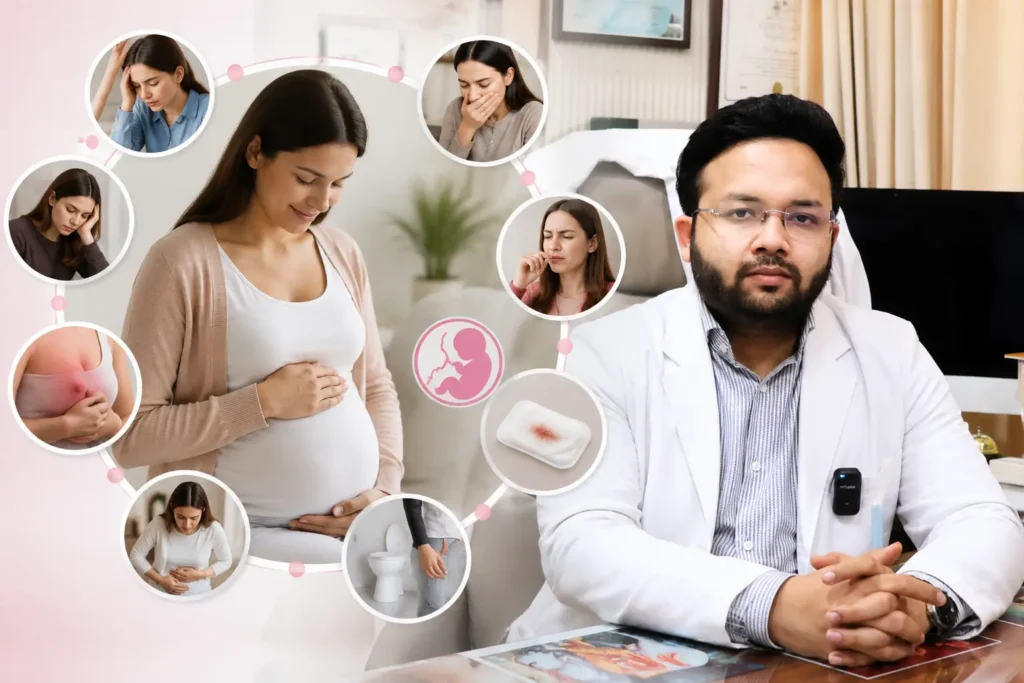
Pregnancy often begins with subtle changes that many women do not immediately recognize. While a missed period is usually the most well-known sign, the body may start showing clues much earlier. These changes can affect energy levels, emotions, appetite, and even the way certain smells or foods are perceived.
Because common early pregnancy symptoms closely resemble premenstrual symptoms, they are often overlooked or misunderstood. Knowing what to watch for can help women identify possible signs of pregnancy sooner and make informed decisions about their health.
Why Do Early Pregnancy Symptoms Occur?
After conception, the body begins adjusting to support a developing pregnancy. Hormones such as progesterone and estrogen increase, triggering a variety of physical and emotional changes.
Although every woman experiences pregnancy differently, these hormonal shifts are responsible for many of the symptoms that appear during the earliest weeks. Some women notice several signs, while others experience very few or none at all. Some Common Early Pregnancy Symptoms are-
1. Unusual Tiredness and Low Energy
One of the earliest and most frequently reported pregnancy symptoms is fatigue. Even routine daily activities may feel more exhausting than usual. As hormone levels rise, the body works harder to support the early stages of pregnancy. This increased demand can leave women feeling unusually sleepy, sluggish, or in need of extra rest throughout the day.
2. Breast Tenderness and Changes
Hormonal changes can make the breasts feel sore, swollen, or more sensitive than normal. Some women notice a feeling of heaviness, while others experience discomfort when wearing certain clothing or undergarments. Changes around the nipples may also occur, including increased sensitivity and a darker appearance of the surrounding skin.
3. Mild Cramping or Light Spotting
Some women experience light spotting or mild cramping during early pregnancy. This can happen when the fertilized egg attaches to the lining of the uterus. The spotting is typically lighter than a regular menstrual period and may appear pink, brown, or light red. However, not every pregnant woman experiences this symptom.
4. Frequent Urination
An increased need to urinate can develop surprisingly early in pregnancy. Hormonal changes increase blood flow throughout the body, causing the kidneys to process more fluid. As a result, women may find themselves making more trips to the bathroom than usual, even before other pregnancy symptoms become obvious.
5. Nausea and Food Sensitivity
Some women experience light spotting or mild cramping during early pregnancy. This can happen when the fertilized egg attaches to the lining of the uterus. The spotting is typically lighter than a regular menstrual period and may appear pink, brown, or light red. However, not every pregnant woman experiences this symptom.
6. Mood Swings
Pregnancy-related hormones can influence emotional well-being. Women may notice sudden mood changes, increased sensitivity, irritability, or emotional reactions that seem stronger than usual.
These emotional shifts are common and often become noticeable before pregnancy is confirmed.
7. Increased Sensitivity to Smells
A stronger sense of smell is another early sign many women report. Everyday scents such as perfumes, cooking aromas, coffee, or cleaning products may seem unusually intense.
For some women, this symptom can also contribute to nausea and food aversions.
8. Bloating and Digestive Changes
Hormonal fluctuations can slow digestion, leading to bloating or a feeling of fullness. Many women mistake this symptom for an approaching menstrual cycle because it closely resembles PMS-related digestive discomfort.
9. Changes in Appetite
Pregnancy can influence eating habits in different ways. Some women develop cravings for specific foods, while others lose interest in meals they normally enjoy. These appetite changes may occur alongside nausea or heightened sensitivity to smells.
10. A Metallic Taste in the Mouth
A less commonly discussed symptom is a persistent metallic taste in the mouth. Some women describe it as a bitter or iron-like taste that appears without any obvious cause. Although harmless, it can affect the enjoyment of food and beverages during early pregnancy.
Dr Mannan Abortion Centre
Get safe, confidential, and compassionate care with Dr. Mannan Gupta at Dr. Mannan Abortion Centre, a trusted women’s health clinic in Delhi.
Can Early Pregnancy Symptoms Appear Before a Missed Period?
Yes. Certain women begin noticing subtle physical and emotional changes before their expected menstrual cycle. However, symptoms alone cannot confirm pregnancy because many of them overlap with premenstrual syndrome (PMS). For this reason, it is important not to rely solely on symptoms when determining whether pregnancy has occurred.
When Should You Take a Pregnancy Test?
Timing plays a major role in obtaining accurate results. Testing too early may lead to a false-negative result because pregnancy hormone levels may still be too low to detect.
For better accuracy:
Take a home pregnancy test after a missed period.
Follow the instructions provided with the test kit carefully.
Consider repeating the test after a few days if symptoms continue but the result is negative.
Consult a healthcare professional if you remain uncertain.
How to Take Care of Yourself During Early Pregnancy
Prioritize Rest: Getting enough sleep can help manage fatigue and support overall health during the early stages of pregnancy.
Stay Hydrated: Drinking adequate water supports circulation, digestion, and overall well-being.
Eat Nutritious Foods: A balanced diet rich in fruits, vegetables, proteins, and whole grains provides essential nutrients needed during pregnancy.
Avoid Harmful Substances: If pregnancy is possible, it is advisable to avoid smoking, alcohol, and unnecessary medications unless recommended by a healthcare professional.
Monitor Your Symptoms: Keeping track of physical changes can help you better understand your body and provide useful information during medical consultations.
For expert guidance regarding pregnancy-related concerns and women’s reproductive health, visit Dr. Mannan Abortion Centre to learn more about available medical support and consultation options.
Conclusion
Early pregnancy symptoms can vary from one woman to another, but recognizing the common signs can help you become more aware of changes happening within your body. Fatigue, breast tenderness, nausea, mood swings, spotting, and sensitivity to smells are among the most frequently reported symptoms during the early stages of pregnancy.
While these signs may provide important clues, only a pregnancy test and professional medical evaluation can confirm pregnancy. Paying attention to your body and seeking timely medical advice can help ensure a healthier and more informed pregnancy journey.